
Save the Cassowary
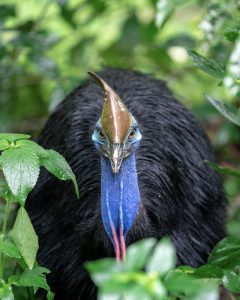
Listed as endangered, the Australian Southern Cassowary has fewer than 4,600 birds left in the wild.
These living dinosaurs play a crucial role in rainforest ecology and regeneration.
Save the Cassowary is a unique partnership between Rainforest Rescue, government organisations, business partners, Aboriginal Corporations, universities, and 20+ zoos and other non-government organisations — to raise awareness of the plight of the Endangered Australian Southern Cassowary and raise funds to help protect these rare creatures.
Why do we need to Save the Cassowary?
They are regarded as a ‘keystone’ species. Through eating the fruits of over 240 species of rainforest plants and excreting the seeds great distances from the parent plant, the cassowary plays a vital role as a ‘rainforest gardener’. Many rainforest plants depend on the cassowary to move about the landscape … without them, the structure of the rainforest would permanently change.
Shy by nature and only posing a threat when defending their nests or chicks or when threatened.
The Cassowary Recovery Team
The Cassowary Recovery Team (CRT) is a group of organisations working together to implement the Recovery Plan for the Southern Cassowary and protect cassowaries, habitats, and corridors from threats through better planning, monitoring, and community involvement.
Membership of the Cassowary Recovery Team is by invitation and is open to representatives of the Wet Tropics and Cape York regions active in cassowary research, management, and community activities.
Organisations with representatives on the Cassowary Recovery Team include:
- BirdLife Australia
- Cairns Regional Council
- Cassowary Coast Regional Council
- Community for Coastal and Cassowary Conservation (C4)
- Conservation Volunteers Australia
- CSIRO Atherton
- Department of Environment & Heritage Protection
- Department of National Parks, Sport & Racing
- Department of the Environment
- Girringun Aboriginal Corporation
- Kuranda Conservation
- Mission Beach Cassowaries
- Rainforest Rescue
- Rainforest Reserves Australia
- Southern Cross University
- Terrain Natural Resource Management
- Tropical Vet Services
- Wet Tropics Management Authority
- Zoo and Aquarium Association
Learn more about Cassowaries
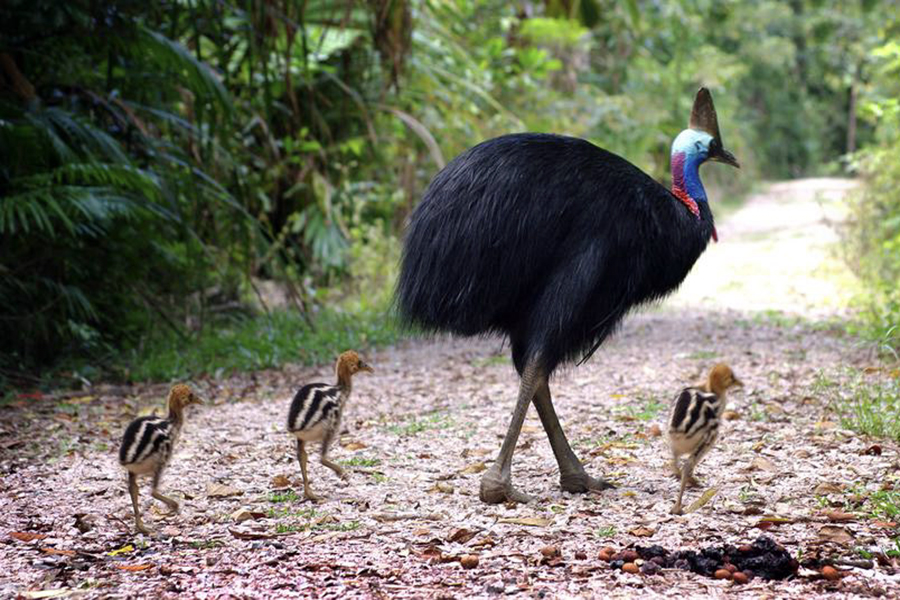
Cassowary Fast Facts
Looking for a quick run-down on Southern Cassowaries? Learn more about these magnificent creatures by visiting our Cassowary Fast Facts page.
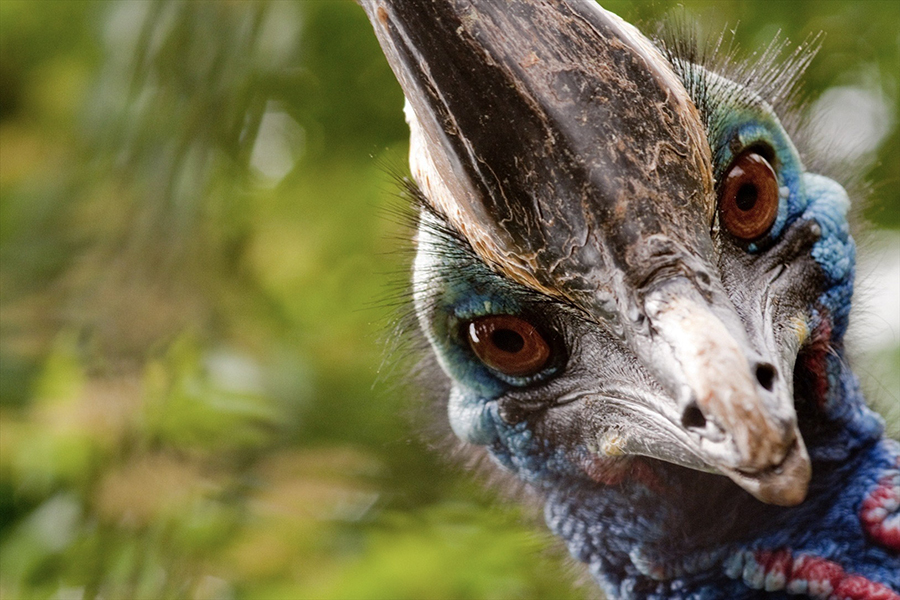
Who am I?
The Australian Southern Cassowary is a large, flightless bird that is endemic to the tropical rainforests of Far North Queensland.
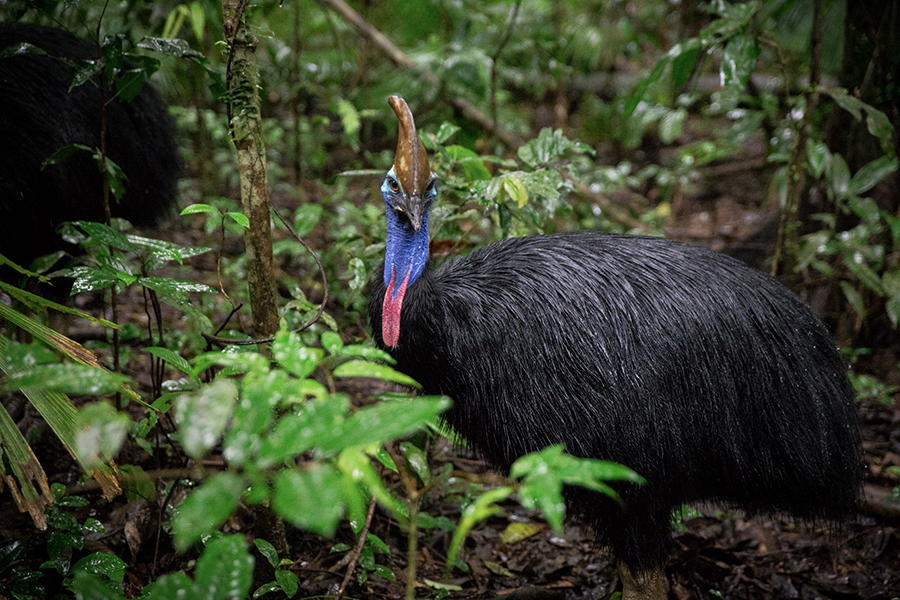
Ecology & Habitat
The Southern Cassowary is a ‘keystone species’ that maintains the balance and diversity of its rainforest home through its role as a seed disperser.
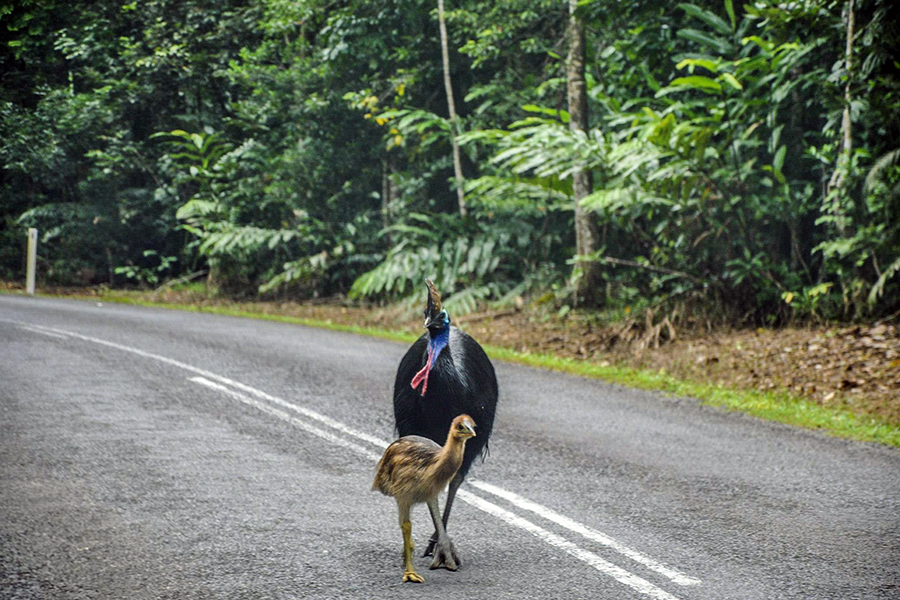
Current Threats
The Southern Cassowary is faced with many threats including habitat loss, vehicle strikes, dog attacks, disease, hand feeding, and feral pigs, as well as natural threats such as climate change.
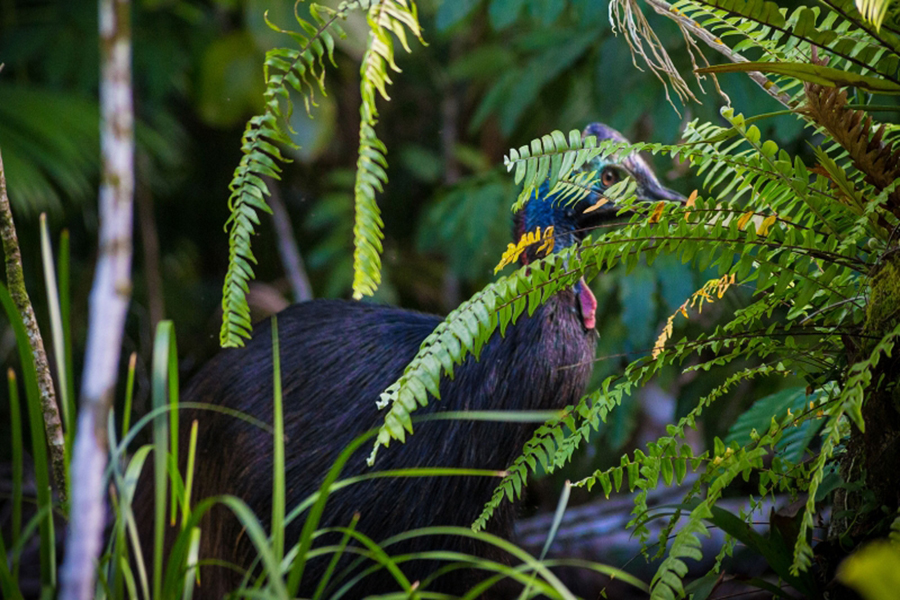
Cultural Significance
Cassowaries are integral to the culture, customs, and values of the Traditional Owners of their rainforest home, appearing in traditional stories, ceremonies, and dances.
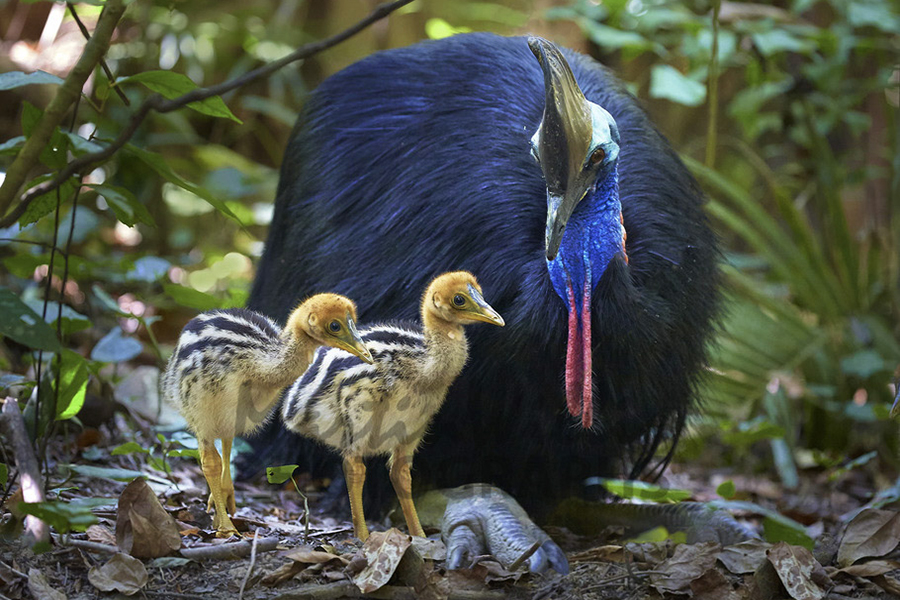
Living with Cassowaries
If you are lucky enough to live among cassowaries or are visiting areas where they live, please follow ‘Cassowary Etiquette’ to ensure your safety and the safety of these incredible birds.
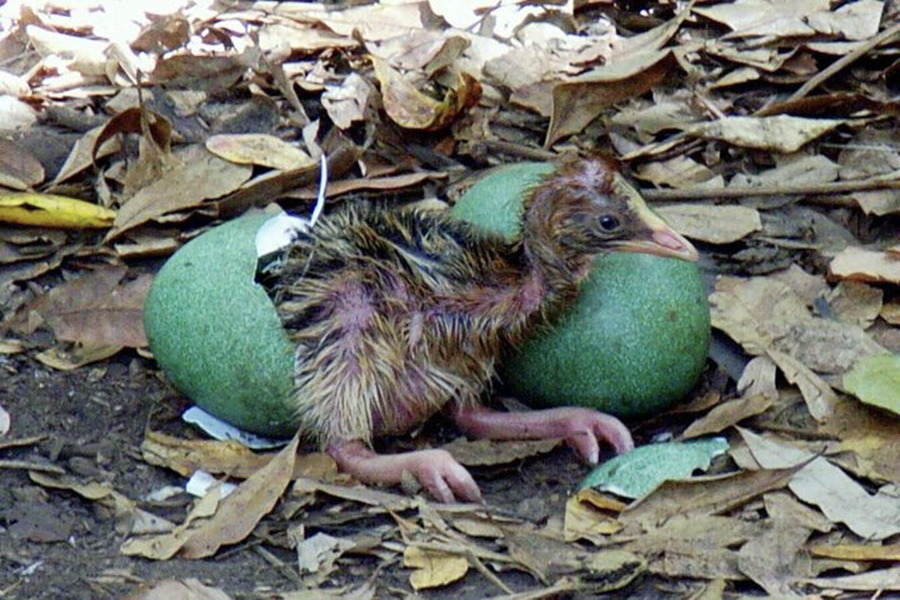
Roles of Zoos
The captive breeding program undertaken in zoos around the world is helping to maintain the Cassowary population for future generations.
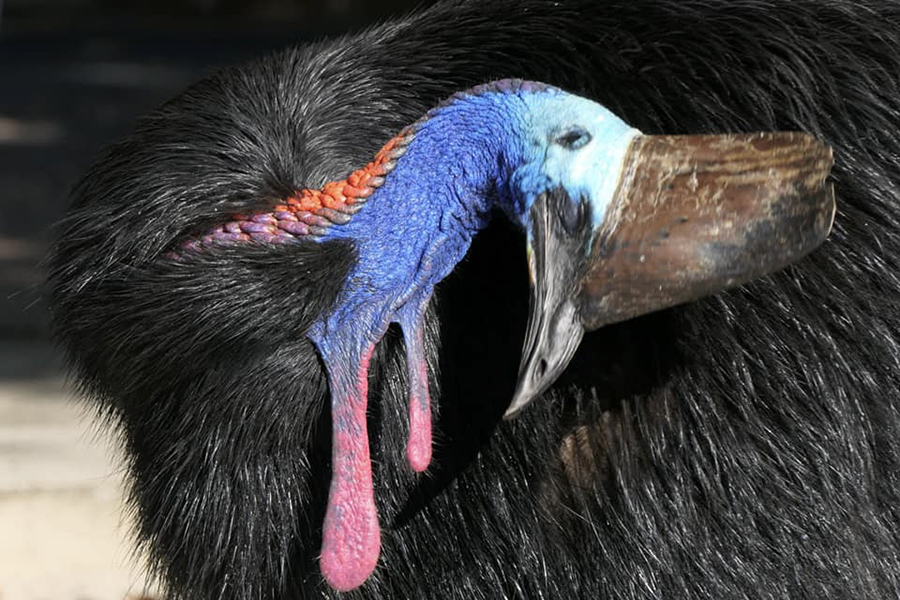
Evolution
The Cassowary belongs to the taxonomic order Struthioniformes, commonly known as ‘ratites’ and there are three species of Cassowaries.
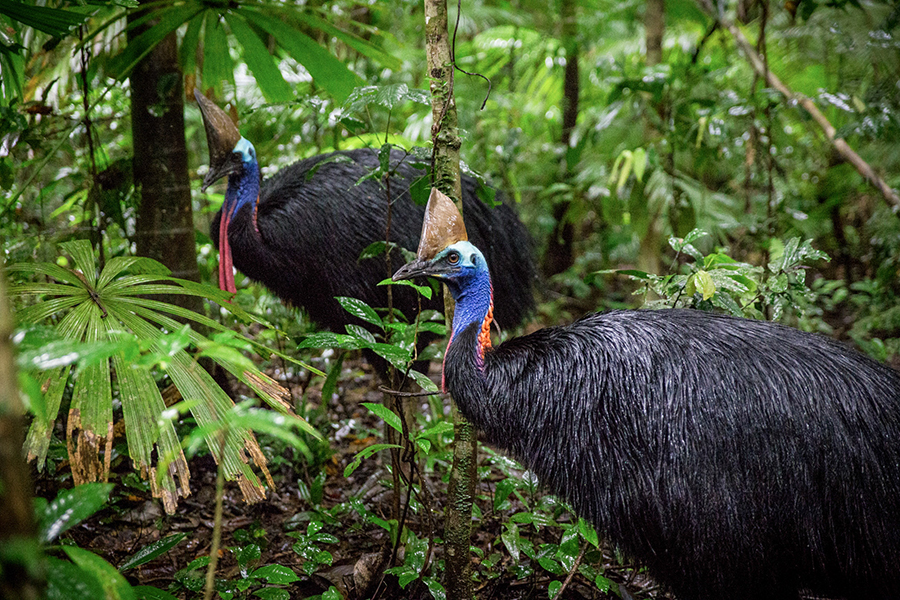
Biology & Physiology
The Southern Cassowary from top to toe! Discover more about the biology and physiology of these ‘dinosaur birds’, and how they breed.
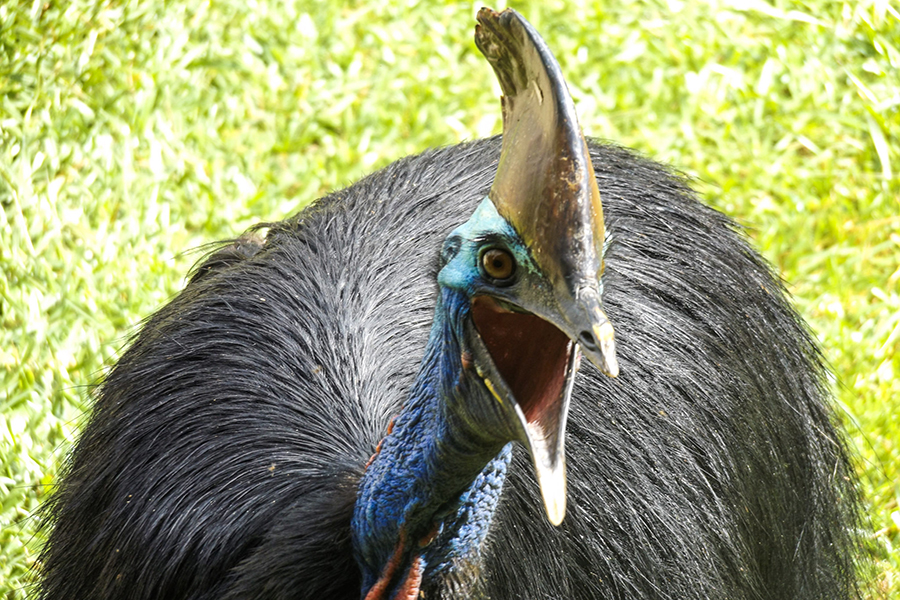
Cassowary FAQ’s
Who do I call to help an injured Cassowary? Are Cassowaries dangerous to humans? Find these answers and more within our Cassowary FAQs.
Thank you to Rainforest Rescue’s Ecological Advisor, Allen Sheather, and Barbara Maslen, of Wild Wings & Swampy Things for their valuable contributions.

DONATE NOW
When you give generously, you become part of a committed team of individuals who collectively are helping to preserve some of the most biodiverse habitats and the species that live within them on this planet. Become a Rainforest Rescuer today!
KEEP AN EAR OUT
Head over to Rainforest Rescue’s News page for the latest updates on our work preserving a vast biodiversity of plants and wildlife in our rainforests. Make sure you’re subscribed to our quarterly eNews to receive updates direct to your inbox!

 Skip to content